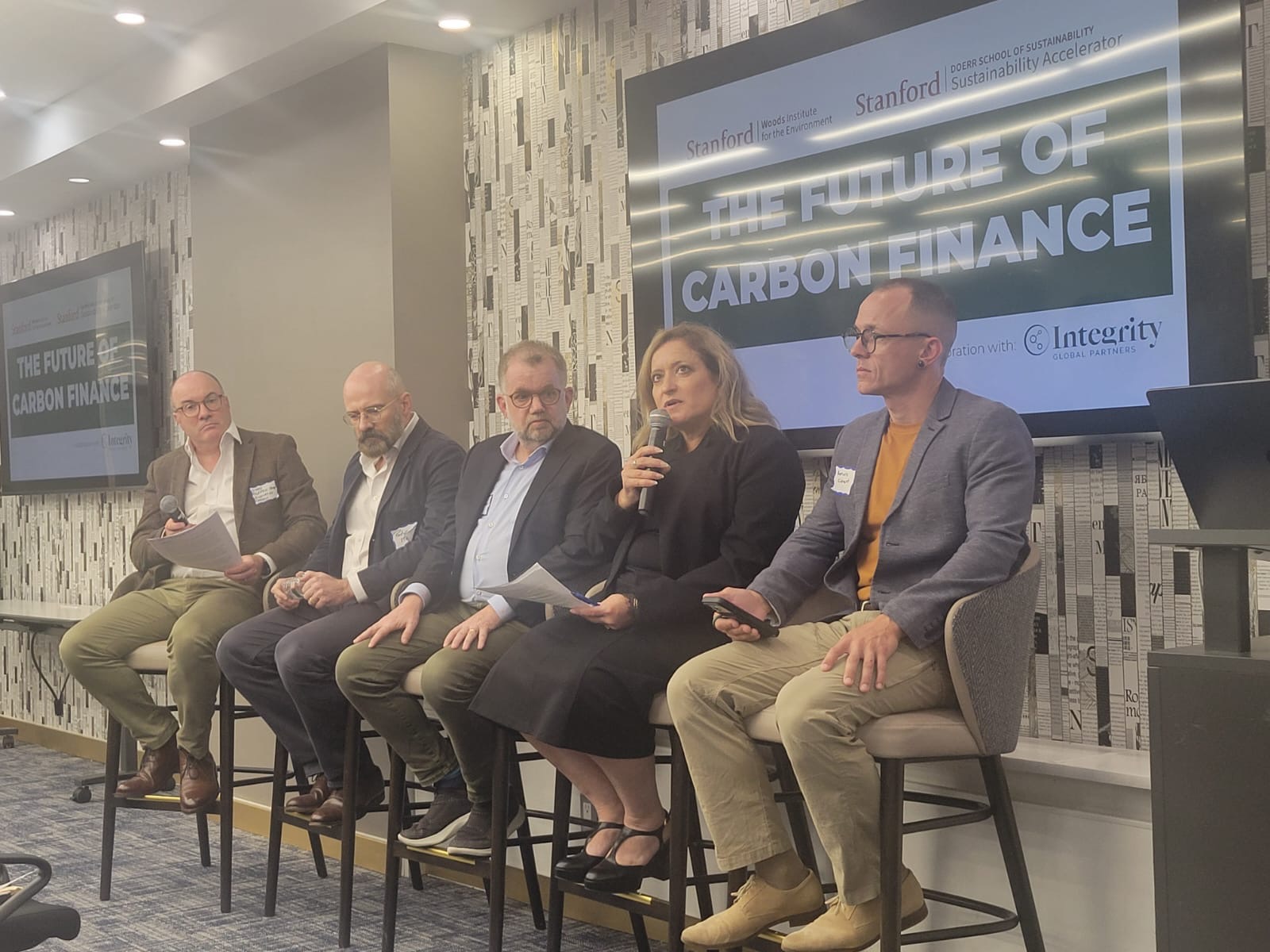
September 21, 2026 · New York City
The Future of Carbon Finance: Scaling Finance for Nature-Based Climate Solutions
New York Climate Week


Pre-Purchase the Digital Edition
Pre-publication price $99 (regular $149). Publishing December 2026.
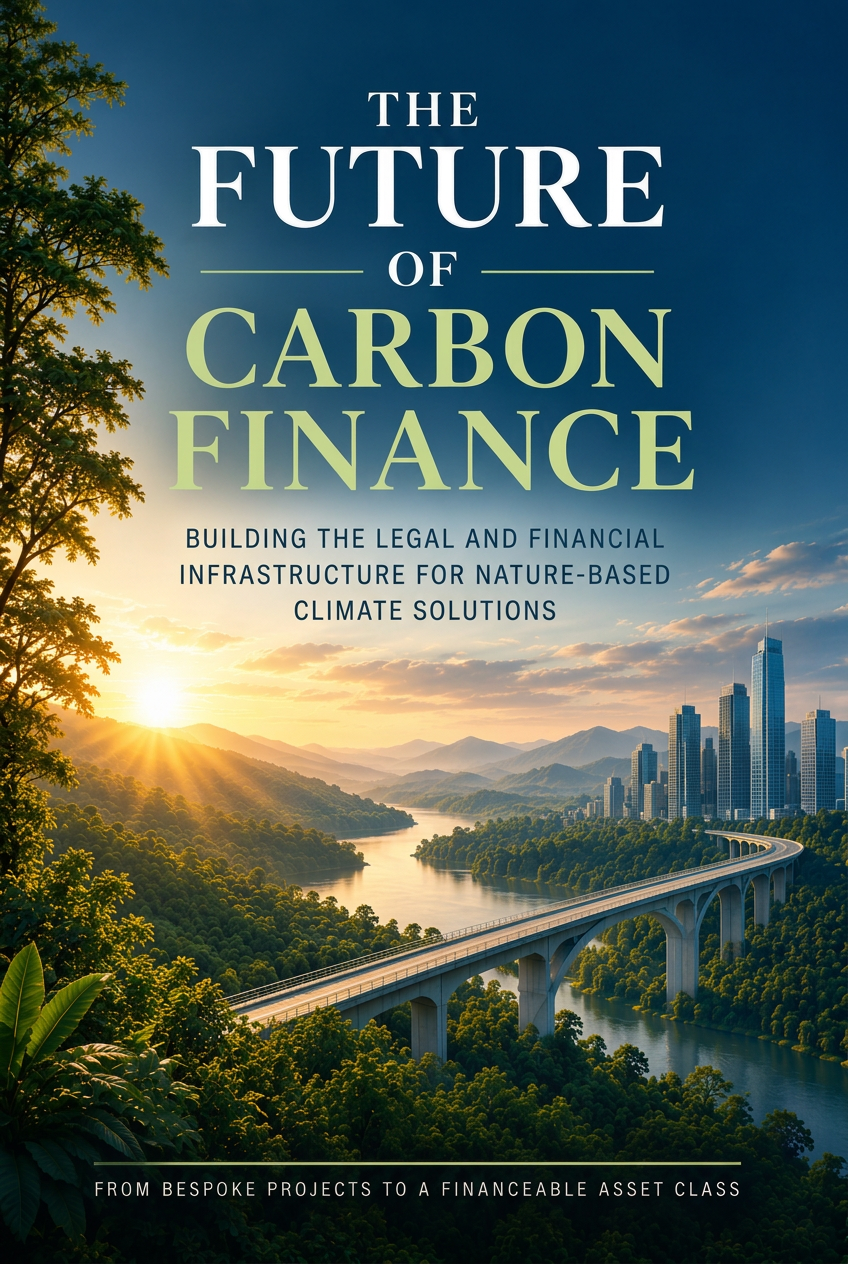 Coming in December 2026
New Book
The Future of Carbon Finance is a practitioner's guide written by leading lawyers, structured finance experts, market infrastructure providers, ratings agencies, developers, and insurers.
It maps the end-to-end financial infrastructure required to turn high-integrity nature-based projects into investable, scalable assets — from rights and risk transfer to governance and capital structures.
Pre-Sale Digital Edition
Pre-order The Future of Carbon Finance: Building the Legal and Financial Infrastructure for Nature-Based Climate Solutions and receive the complete digital edition upon publication.
Pre-sale price
$99
Regular price after publication
$149
What you get
Where we're taking this conversation
The Future of Carbon Finance was shaped in working sessions with the practitioners who structure and close these deals.
New York Climate Week
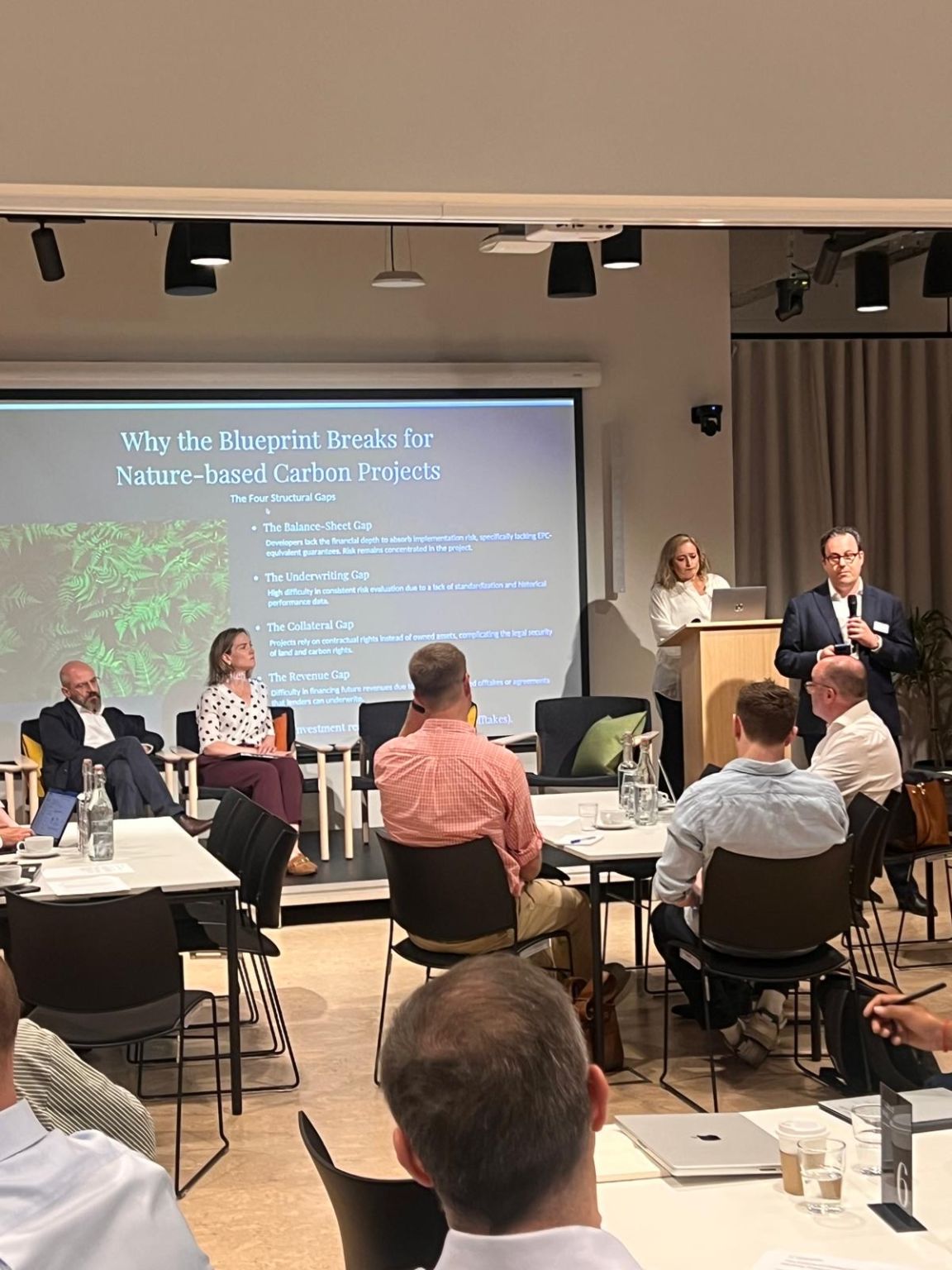
London Climate Action Week 2026
Inside the book
Clarifying legal title to carbon credits as foundational asset infrastructure.
Frameworks for assessing project quality and investment readiness at scale.
Structuring revenue agreements that provide predictable cash flows and de-risk capital.
Standardized contracting that makes transactions easier to price, negotiate, and repeat across projects and jurisdictions.
Innovative instruments that protect investors, developers, and communities against uncertainty.
Special purpose vehicles (SPVs) and governance models that align incentives across stakeholders.
Acknowledgements
The Future of Carbon Finance is a deeply collaborative effort, built from a blueprint for the financial, legal, contractual, and institutional infrastructure needed to finance nature-based carbon projects at scale.
Practitioners across carbon markets, conservation, finance, law, insurance, project development, and market infrastructure tested ideas and shaped practical recommendations for what still needs to be built.
Many others contributed by reviewing drafts, joining workshops, and sharing transactions and ideas. These lessons should not remain locked within individual organizations. They should become the foundation upon which the next generation of the market builds. Thank you to everyone who made this possible.